
The Future of Human-Tech Interaction: How Smart Technology is Redefining Digital Experiences
Explore how emerging technologies are transforming the way humans interact with digital systems through AI, voice interfaces, immersive experiences, and intelligent automation.
The Evolution of Human-Tech Interaction
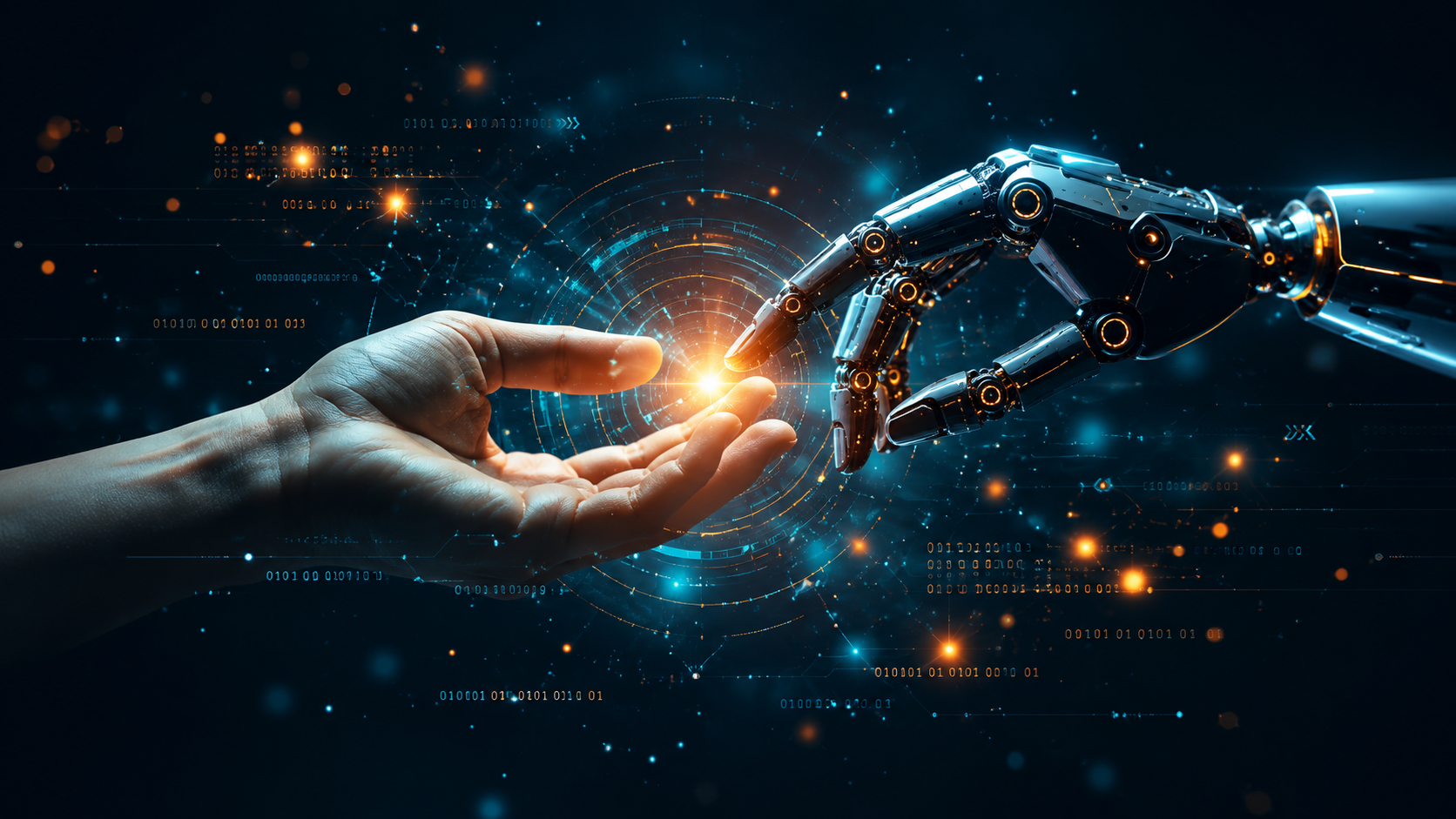
Technology has evolved from simple command-based systems to intelligent platforms capable of understanding user behavior and preferences.
Today, people interact with technology through smartphones, voice assistants, wearable devices, and smart applications that simplify everyday tasks.
As digital innovation accelerates, human-tech interaction is becoming more seamless, intuitive, and personalized.
Why Human-Tech Interaction Matters
Successful digital products are built around user needs and experiences.
Organizations that prioritize intuitive interactions can improve customer satisfaction, engagement, and long-term loyalty.
- Improved user experiences
- Higher customer engagement
- Greater accessibility
- Enhanced productivity
- Increased customer satisfaction
Artificial Intelligence is Transforming User Experiences
Artificial Intelligence enables systems to understand user behavior, predict needs, and deliver personalized experiences.
AI-powered technologies help businesses create smarter and more responsive digital environments.
- Personalized recommendations
- Intelligent assistants
- Predictive interactions
- Smart automation
- Adaptive user experiences
The Rise of Voice and Conversational Interfaces
Voice technology is changing how users interact with digital platforms.
Conversational interfaces allow people to communicate naturally with systems through speech and text.
- Voice assistants
- Chatbots
- Natural language processing
- Hands-free interactions
- Smart customer support
Immersive Technologies and Digital Experiences
Emerging technologies such as Augmented Reality (AR) and Virtual Reality (VR) are creating immersive and interactive experiences.
These technologies enable users to engage with digital content in entirely new ways.
- Virtual reality environments
- Augmented reality applications
- Interactive learning experiences
- Virtual collaboration
- Immersive customer engagement
Human-Centered Design in Technology
Human-centered design focuses on creating technology that is accessible, intuitive, and aligned with user expectations.
Organizations are increasingly investing in user experience research to build products that solve real-world problems effectively.
- User experience design
- Accessibility improvements
- Usability testing
- Customer journey optimization
- Inclusive digital solutions
Wearable and Smart Devices
Wearable technology is expanding the possibilities of human-tech interaction by providing real-time access to information and services.
Smart devices help users monitor health, improve productivity, and stay connected.
- Smartwatches
- Fitness trackers
- Health monitoring devices
- Smart glasses
- Connected accessories
Challenges in Human-Tech Interaction
As technology becomes more integrated into daily life, organizations must address challenges related to usability, privacy, and trust.
- Data privacy concerns
- Digital accessibility barriers
- Technology adoption resistance
- User trust issues
- Complex user interfaces
Future Trends in Human-Tech Interaction
Future innovations will focus on creating more natural and intelligent ways for humans to interact with technology.
Advancements in AI, immersive computing, and connected ecosystems will continue shaping digital experiences.
- AI-driven personalization
- Advanced voice interfaces
- Brain-computer interaction
- Extended reality experiences
- Context-aware computing
The Business Impact of Better User Experiences
Organizations that invest in improving human-tech interaction can increase customer engagement, strengthen brand loyalty, and improve business performance.
Exceptional digital experiences have become a key differentiator in today's competitive marketplace.
- Higher customer retention
- Improved user satisfaction
- Stronger brand loyalty
- Better conversion rates
- Increased business growth
Final Thoughts
Human-tech interaction is evolving rapidly as technology becomes smarter, more connected, and increasingly integrated into everyday life.
Businesses that prioritize user-centered innovation can create meaningful digital experiences that drive engagement, trust, and long-term success.
Related Articles