
The Rise of Digital Transformation: Shaping the Future of Modern Technology
Explore how digital transformation is helping organizations modernize operations, improve customer experiences, increase efficiency, and drive innovation in a rapidly evolving digital world.
Understanding Digital Transformation
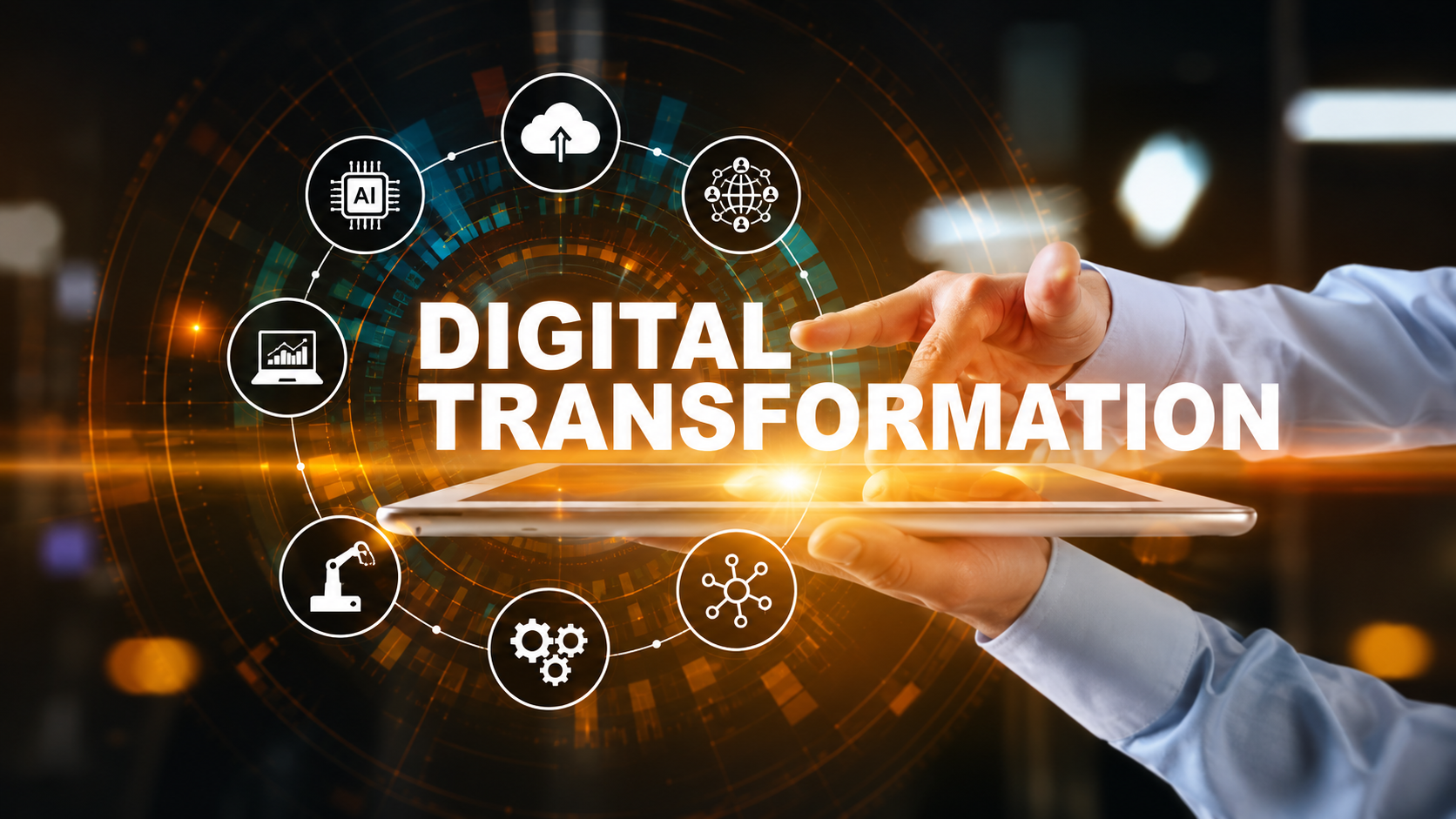
Digital transformation is the process of integrating modern technologies into business operations, products, and customer experiences to improve performance and create new value.
Organizations across industries are embracing digital transformation to remain competitive in an increasingly connected world.
By leveraging advanced technologies, businesses can streamline processes, improve decision-making, and accelerate growth.
Why Digital Transformation Matters
Customer expectations, market dynamics, and technological advancements continue to evolve rapidly.
Businesses that invest in digital transformation can respond more effectively to change while improving efficiency and innovation.
- Enhanced customer experiences
- Improved operational efficiency
- Greater business agility
- Data-driven decision making
- Long-term competitive advantage
Key Technologies Driving Transformation
Modern digital transformation initiatives are powered by innovative technologies that help businesses automate processes and unlock new opportunities.
- Artificial Intelligence
- Cloud Computing
- Data Analytics
- Internet of Things (IoT)
- Automation Platforms
Transforming Customer Experiences
Today's customers expect seamless, personalized, and convenient interactions across digital channels.
Digital transformation enables organizations to better understand customer needs and deliver exceptional experiences.
- Personalized services
- Omnichannel experiences
- Self-service solutions
- Real-time support
- Customer journey optimization
Automation and Operational Efficiency
Automation is one of the most impactful outcomes of digital transformation.
Businesses can eliminate repetitive tasks, reduce errors, and increase productivity through intelligent workflows.
- Process automation
- Workflow optimization
- Reduced manual effort
- Improved accuracy
- Faster operations
Data-Driven Business Strategies
Data has become one of the most valuable assets for modern organizations.
Digital transformation initiatives help businesses collect, analyze, and leverage data to make informed strategic decisions.
- Business intelligence
- Performance analytics
- Customer insights
- Predictive forecasting
- Strategic planning
The Role of Cloud Technology
Cloud computing provides the flexibility and scalability required to support digital transformation efforts.
Organizations can deploy applications faster, improve collaboration, and reduce infrastructure costs.
- Scalable infrastructure
- Remote accessibility
- Cost optimization
- Improved collaboration
- Business continuity
Industry Applications of Digital Transformation
Digital transformation is reshaping industries by enabling smarter operations, better services, and enhanced customer engagement.
- Healthcare innovation
- Digital banking
- Smart manufacturing
- Retail modernization
- Education technology
Future Trends in Digital Transformation
The future of digital transformation will be driven by intelligent technologies, automation, and connected ecosystems.
Organizations that embrace continuous innovation will be best positioned for long-term success.
- AI-powered operations
- Hyperautomation
- Digital ecosystems
- Smart business platforms
- Predictive decision-making
Challenges in Digital Transformation
Although digital transformation offers significant benefits, organizations often face challenges during implementation.
- Resistance to change
- Legacy system integration
- Cybersecurity concerns
- Technology adoption costs
- Skills and talent gaps
Final Thoughts
Digital transformation is no longer a future initiative—it is a business necessity for organizations seeking growth and innovation.
Companies that embrace modern technologies and continuously adapt to change can improve efficiency, enhance customer experiences, and build sustainable competitive advantages.
Related Articles