

Data Analytics Solutions: How Businesses Turn Data Into Smart Decisions
Discover how data analytics helps organizations transform raw data into actionable insights, improve decision-making, optimize operations, and drive business growth.
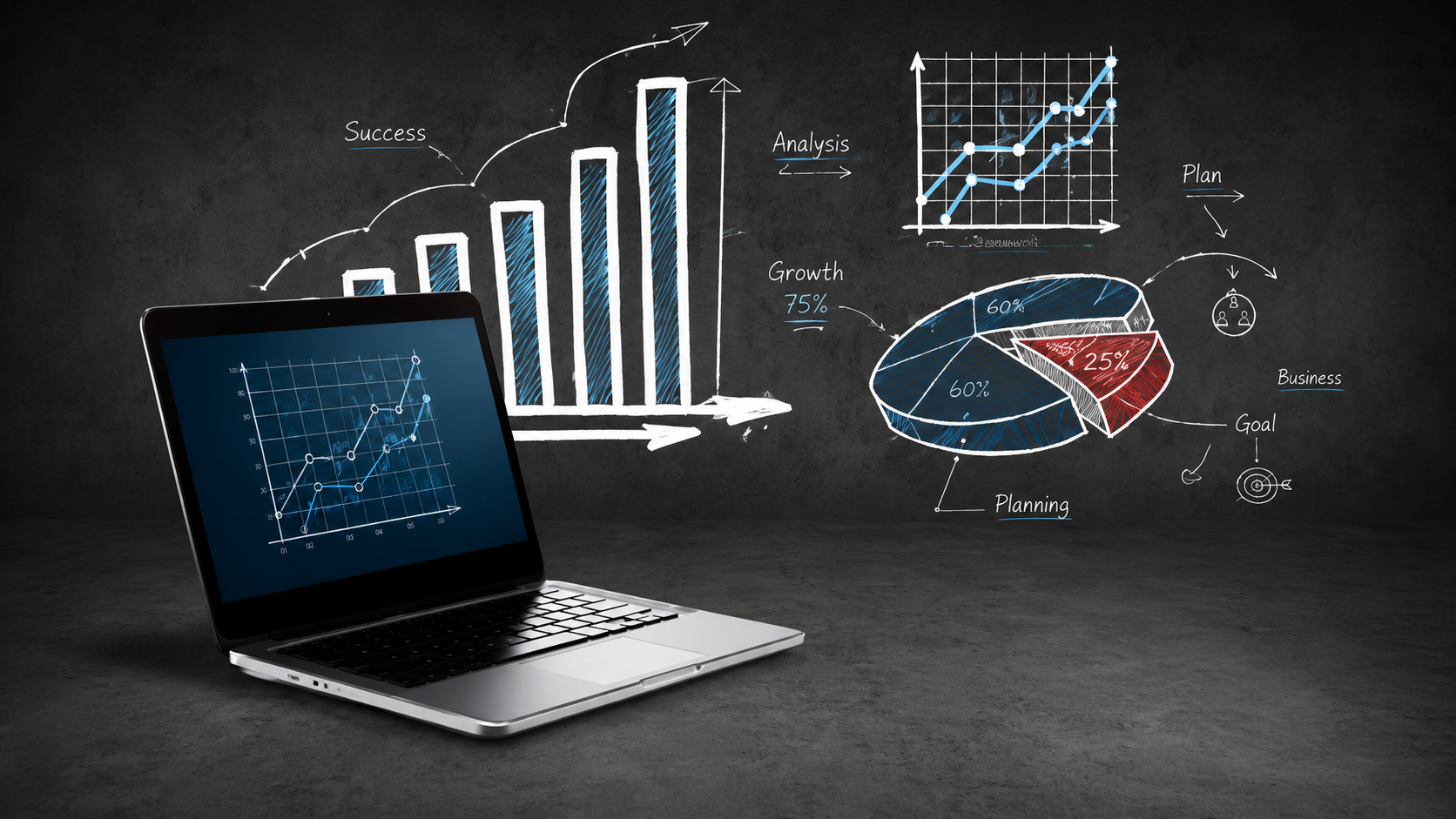
The Growing Importance of Data Analytics
In today's digital economy, businesses generate vast amounts of data every day through websites, applications, customer interactions, transactions, and connected devices.
Data analytics enables organizations to transform this raw information into meaningful insights that support strategic decision-making.
Companies that effectively leverage data analytics can improve efficiency, enhance customer experiences, and gain a significant competitive advantage.
What is Data Analytics?
Data analytics is the process of collecting, organizing, analyzing, and interpreting data to identify patterns, trends, and actionable insights.
Modern analytics solutions help businesses understand performance, predict future outcomes, and make smarter decisions.
- Data collection
- Data visualization
- Trend analysis
- Performance monitoring
- Business intelligence
How Data Analytics Supports Business Growth
Organizations use analytics to gain a deeper understanding of customers, operations, and market trends.
Data-driven decision-making reduces uncertainty and helps leaders respond quickly to changing business conditions.
- Improved decision-making
- Enhanced customer understanding
- Revenue growth opportunities
- Operational optimization
- Risk reduction
Understanding Customer Behavior Through Analytics
Customer behavior analytics helps businesses understand how users interact with products, services, and digital platforms.
These insights enable organizations to personalize experiences and improve customer satisfaction.
- Purchase behavior analysis
- Customer segmentation
- User journey tracking
- Retention optimization
- Personalized marketing
Operational Efficiency Through Data Insights
Analytics allows businesses to identify inefficiencies, optimize workflows, and improve resource allocation.
Organizations can use real-time data to monitor performance and make proactive improvements.
- Workflow optimization
- Resource planning
- Performance tracking
- Cost reduction
- Productivity improvement
Predictive Analytics and Forecasting
Predictive analytics uses historical and real-time data to forecast future outcomes and business trends.
These insights help organizations make strategic decisions with greater confidence.
- Sales forecasting
- Demand prediction
- Customer behavior forecasting
- Market trend analysis
- Risk assessment
Data Analytics Across Industries
Businesses across various industries use analytics to improve performance, reduce costs, and deliver better customer experiences.
- Healthcare analytics
- Retail analytics
- Financial analytics
- Manufacturing analytics
- Marketing analytics
The Role of Artificial Intelligence in Analytics
Artificial Intelligence and Machine Learning are transforming data analytics by automating data processing and uncovering deeper insights.
AI-powered analytics systems can identify hidden patterns, detect anomalies, and generate predictive recommendations.
- Automated reporting
- Predictive modeling
- Pattern recognition
- Anomaly detection
- Intelligent recommendations
Future Trends in Data Analytics
As businesses become increasingly data-driven, analytics technologies will continue evolving to deliver faster and more accurate insights.
Organizations that embrace advanced analytics will be better positioned to innovate and compete.
- Real-time analytics
- AI-driven insights
- Self-service analytics
- Cloud-based analytics platforms
- Advanced predictive intelligence
Challenges in Data Analytics
While analytics offers significant benefits, organizations must address challenges related to data quality, privacy, and implementation complexity.
- Data quality issues
- Privacy concerns
- Data integration challenges
- Skill shortages
- Managing large data volumes
Final Thoughts
Data analytics has become a critical component of modern business strategy, enabling organizations to make smarter decisions and improve performance.
Businesses that invest in analytics capabilities can unlock valuable insights, drive innovation, and achieve sustainable long-term growth.
Related Articles