
Internet of Things (IoT): Connecting the Future of Smart Technology
Discover how the Internet of Things (IoT) is transforming industries through connected devices, real-time data, automation, and intelligent decision-making.
Understanding the Internet of Things
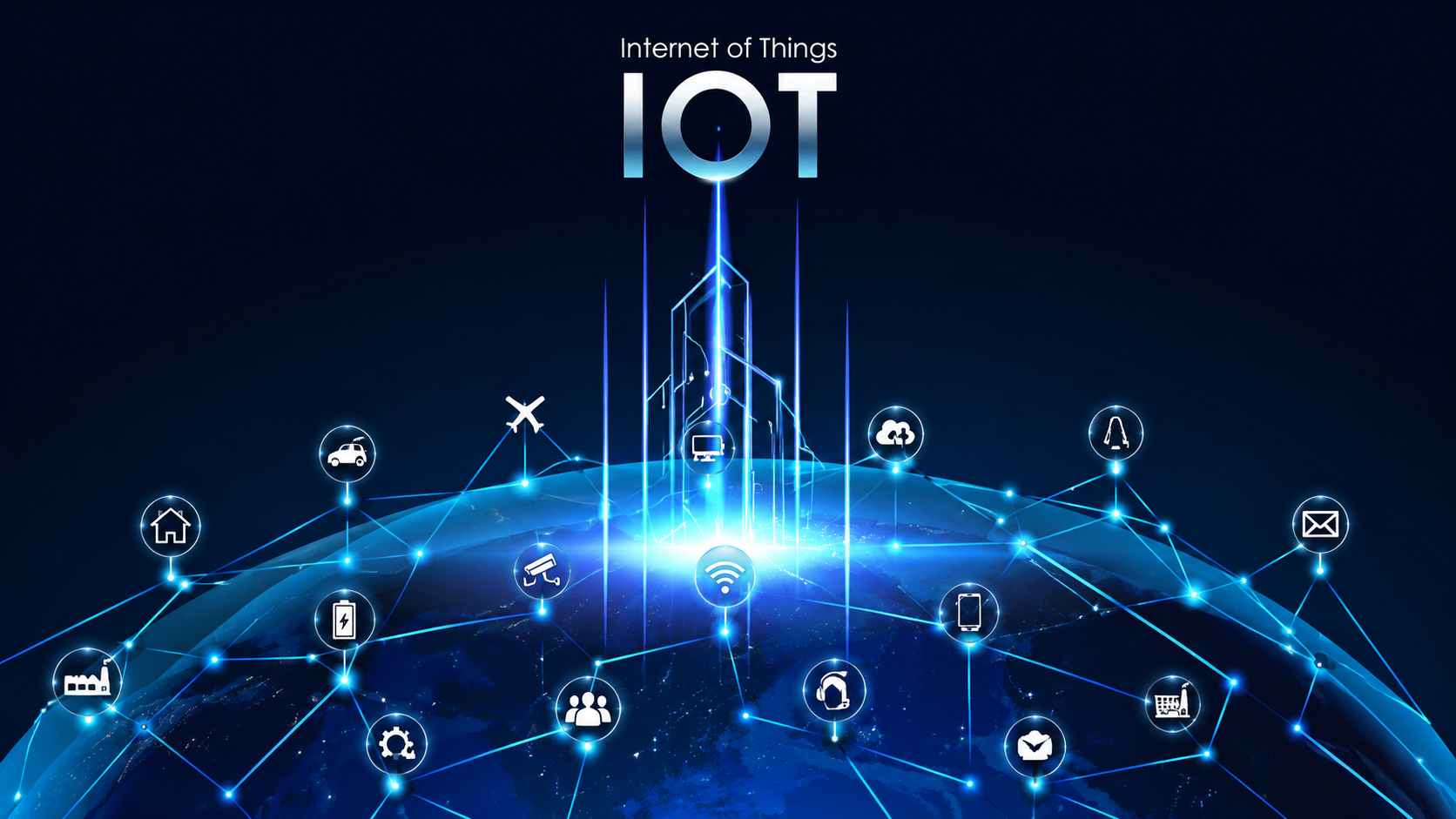
The Internet of Things (IoT) refers to a network of connected devices that collect, exchange, and analyze data through the internet.
From smart homes and wearable devices to industrial equipment and connected vehicles, IoT is transforming how people interact with technology.
Organizations are increasingly adopting IoT solutions to improve efficiency, automate operations, and gain valuable business insights.
Why IoT Matters in Modern Business
Businesses generate and rely on large amounts of operational data every day.
IoT devices provide real-time visibility into processes, helping organizations make informed decisions and improve performance.
- Real-time monitoring
- Process automation
- Improved efficiency
- Predictive maintenance
- Data-driven decision making
How IoT Works
IoT systems combine sensors, devices, software, and cloud technologies to collect and process information.
Connected devices continuously transmit data, enabling businesses to monitor activities and respond quickly to changing conditions.
- Smart sensors
- Connected devices
- Cloud platforms
- Data analytics
- Automated workflows
IoT Applications Across Industries
The adoption of IoT continues to grow across multiple industries as organizations seek greater efficiency and innovation.
- Smart healthcare systems
- Connected manufacturing
- Smart agriculture
- Retail automation
- Smart transportation
Industrial IoT and Smart Manufacturing
Industrial IoT (IIoT) is helping manufacturers improve productivity, reduce downtime, and optimize operations.
Connected machines provide valuable performance data that supports predictive maintenance and process improvements.
- Equipment monitoring
- Predictive maintenance
- Production optimization
- Quality control
- Supply chain visibility
Smart Cities and Connected Infrastructure
Governments and municipalities are using IoT technologies to develop smarter cities and improve public services.
Connected infrastructure helps optimize transportation, energy consumption, and resource management.
- Smart traffic systems
- Energy management
- Public safety monitoring
- Waste management
- Environmental monitoring
The Role of IoT in Customer Experiences
IoT enables businesses to create personalized and intelligent customer experiences through connected products and services.
Organizations can gather real-time user insights and deliver proactive support and recommendations.
- Smart consumer devices
- Personalized experiences
- Remote monitoring
- Real-time support
- Usage analytics
IoT Security and Data Protection
As the number of connected devices grows, security becomes a critical concern for businesses and consumers.
Organizations must implement strong security measures to protect sensitive data and maintain trust.
- Device authentication
- Data encryption
- Network security
- Access management
- Threat monitoring
Future Trends in IoT
The future of IoT will be shaped by advancements in Artificial Intelligence, cloud computing, and high-speed connectivity.
Businesses that embrace connected technologies will unlock new opportunities for innovation and growth.
- AI-powered IoT systems
- 5G-enabled connectivity
- Edge computing
- Autonomous devices
- Smart ecosystems
Challenges in IoT Adoption
While IoT offers significant benefits, organizations must overcome several challenges to successfully implement connected solutions.
- Security risks
- Data privacy concerns
- Integration complexity
- Device management
- Scalability requirements
Final Thoughts
The Internet of Things is transforming industries by connecting devices, systems, and people through intelligent networks.
Organizations that invest in IoT technologies can improve efficiency, gain valuable insights, and create innovative digital experiences that drive long-term success.
Related Articles